
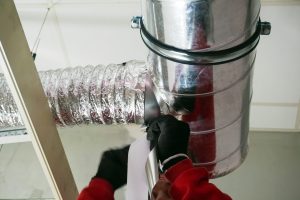
 We all know what cold spots are, but what many homeowners mistakenly believe is that they’re normal. Cold spots in your home don’t have to be normal, and in theory, your heater should be able to heat every room in your home equally, no matter how cold it is outside. You might need to seal a drafty window, or perhaps you’ve got failing ductwork, but either way, there is a solution.
Here in Texas, it doesn’t get as cold as it does up north. That means that you’ve got even less of a reason to have any cold spots in your house. If you’re noticing that your heater just can’t equally heat your whole house, then you’re going to want to read on for some tips to deal with these pesky cold spots. We can’t guarantee that the solution to your problem will be free, but we want to remind you that there are solutions out there for cold spots.
 Let’s face it: we are all looking for ways to save a few extra bucks each month. In fact, if there is one thing that you’ll often hear HVAC technicians talk about it is energy efficiency and why it is so important. When your home is energy efficient, you’ll spend less time worrying about costly repairs and high energy bills. Of course, winter here in Texas is anything but harsh. However, it is still important to ensure that your HVAC system is as efficient as possible. So, how do you do so?
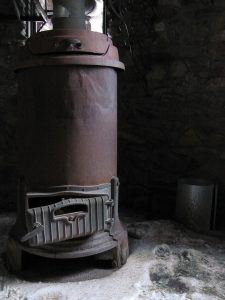 We can all admit it: winter here doesn’t exactly require a heavy coat and a pair of mittens. However, the temperature can dip well into the 60s, and for many of us, that is just too cold. During the winter, we turn to our heaters to keep us warm and comfortable. But, what happens if you find yourself dealing with a handful of heater issues? For many homeowners, the decision to replace or repair their older heating system can be quite a difficult one to make. So, what do you do?
 We expect that many of you have found yourselves browsing DIY websites for hours on end in search of fun, creative projects you can do at home. Certainly, you can build yourself a new centerpiece or even paint an old coffee table, but there are some projects that are better left to the professionals.
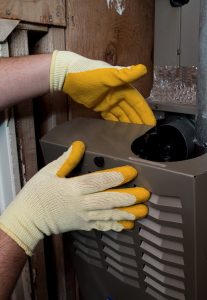 Do you think that “good enough” is good enough when it comes to the way in which your home heating system operates? If so, think again! You, like any other homeowner, deserve the best performance possible from your home heating system. That simply won’t be your experience, however, if your heater is short cycling. What does short cycling mean? That your system is starting up and shutting back down too frequently. What does it mean for your heater?
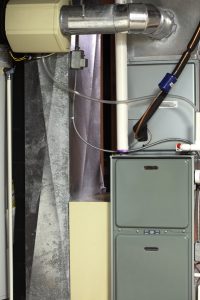 If you are poking around heating blogs this time of year, you are probably going to encounter quite a few posts telling you what to look out for in terms of red flags that your system is in trouble. There is a lot of good information to be gleaned from such posts. Just remember, though, that it’s not all about looking for signs of trouble. Listen for signs that you need
  We’re just barely out of the hottest time of the year, and these people want us to start thinking not only about our heaters, but what might go wrong with them? Give us a break, will you?
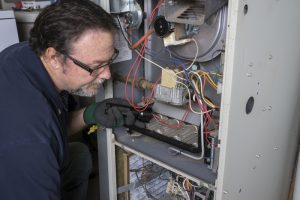 We know, we know. Temperatures are still pretty warm out there. Many homeowners are still, undoubtedly, running their home cooling systems. Yet here we are introducing a heating topic already. What gives?
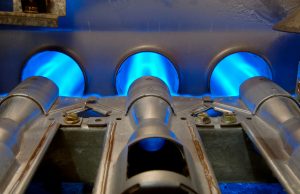 Another heating season is drawing to a close, and with it comes the need to assess your heating system and determine the need for repairs. A good maintenance session can be just what you need to catch any lingering issues that may cause a shutdown or similar repairs.