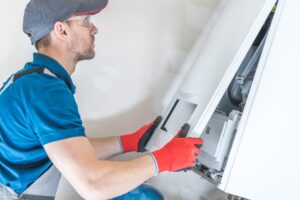
 Let us first start off this blog post with a PSA: a booming furnace is not normal and it should be checked out by a professional. Just because this noise is the focus of this blog post does not mean that it should be ignored, or that you should feel better if your furnace is booming. A booming furnace can quickly become a health and safety hazard, as well as a problem with efficiency, so make sure you have a professional HVAC technician on hand to help you out.
With that being said, we want to zero in on why a booming furnace requires heating repair in Bulverde, and why you need these repairs sooner rather than later. We’ll talk about what’s happening inside your furnace and why this process is a problem if it’s creating unsettling noises nearby.
Keep reading, and remember to call us if you need help!
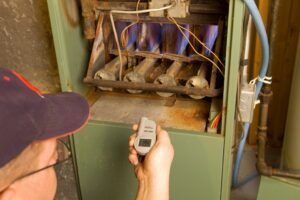 How big is your heater? No, hold on—don’t just go measure it and report back to us how many square feet it takes up. While that definitely matters in the measurement of your heater, it’s not the whole story. Heaters need to be able to adequately heat an entire home, and that means a specific model should have been installed in your home that’s able to heat the volume of air inside. This measurement of volume before setting a heater up is known as load calculation.
 Howdy folks! You should know by now that we’re all about savings on this blog. Whether it’s talking about a new heating system that could save you money on your heating bill, or ways to save electricity, our team is always ahead of the curve. This is especially important for homeowners that want a new HVAC system, whether it’s a heater or an air conditioner.
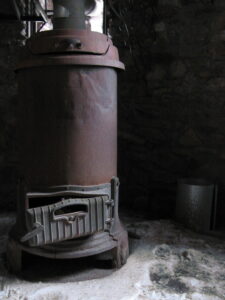 People around here revel in the “off the grid” type of feeling that you get when you fix everything yourself and don’t need help. While we’d love to just repair everyone’s heaters and other HVAC equipment year after year, unfortunately, that’s not the most cost-effective method of staying comfortable. Sometimes, and bear with us, a replacement is actually going to save you more money than investing in repairs.
 When your old heater was installed, was it sized correctly? Did a professional perform a load calculation? If you don’t know what load calculation is, it’s okay. We don’t expect homeowners to be so familiar with HVAC services that they’d understand the complicated math behind these kinds of things. Basically, when a heater is being set up in a home, it needs to accurately be sized according to how much air exists inside the house. The larger the home, the more volume of air the heater needs to be able to heat. It’s that simple!
 Heater warranties are worth their weight in gold these days. We’re not kidding, they can be worth thousands of dollars whenever you run into an issue, and they are the object of envy for any homeowner that doesn’t have one. Think about it—what’s better than a service like a manufacturer’s warranty that will pay for any repairs or services within a specific time-frame?
 It’s furnace season! While many homeowners utilize electric heating solutions, the vast majority of homes in the United States use natural-gas powered furnaces. This is good news, since gas-burning furnaces are becoming increasingly efficient and effective at keeping homes comfortable during the coldest of winters.
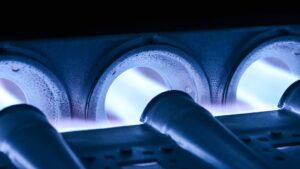 It’s that time of year again. Air conditioning season has come to a close and it’s time for heating season. But what exactly does that mean for you?
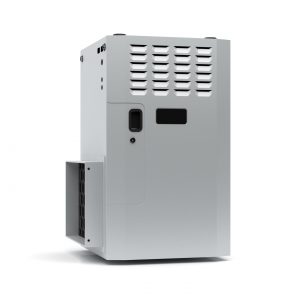 Furnace trouble isn’t unique to our area. In fact, furnaces are some of the most widely used heaters in the country, so we’re pretty sure that a good portion of homeowners have had to deal with furnace issues in the past. That being said, there are two kinds of furnace owners we’d like to talk about: those who take measures to help their furnaces and those who don’t.
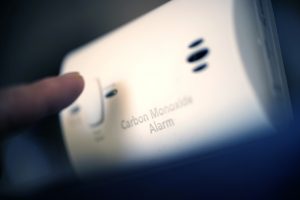 If you don’t know what carbon monoxide is, we recommend doing a few internet searches after reading this blog post. While we hope that everyone knows what it is, it’s particularly important that homeowners and gas furnace owners, in particular, know about carbon monoxide, since it can be a threat when a heating system has been neglected.