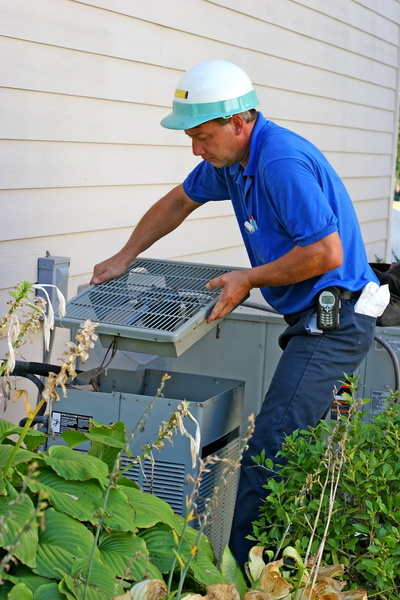
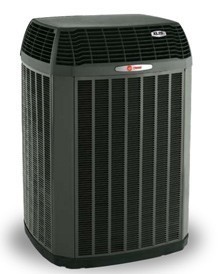
Your air conditioner’s compressor is like the heart of the whole system. It pressurizes the refrigerant that runs through the coils, keeping it flowing so it can absorb heat from your home and then release that heat outdoors. Because the job it does is so critical, and because it is such an expensive component, keeping your compressor in good condition is your top AC priority.
If something goes wrong with your air conditioner that could put additional strain on the compressor, it needs to be repaired immediately. So what are the things that can damage your compressor, and how will you know if they happen? Here are some things to be aware of.

 Although the vast majority of American households have air conditioning, not everyone is confident in or knowledgeable about basic maintenance. If you’re not sure what to do to keep your air conditioner running at its best, that’s okay! You’re in good company. Many people could use a little help to get started.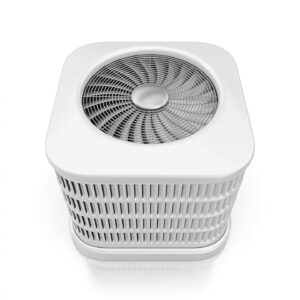
 Have you ever been frustrated with a shower drain that’s starting to get clogged, but you just paid for a drain cleaning only a year ago? It can sometimes feel like there’s just nothing that can be done about clogging materials. Well, there is something that can be done about the materials clogging your shower and your kitchen sink, and we’re here to talk about it!
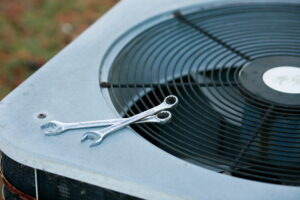 This is a good question, and we understand why homeowners would ask it. Wouldn’t it be easy if we just gave you our proven inspection list and all the tips required for performing AC maintenance on your own, and you just did it yourself? It sounds like that would be more convenient, but the truth is that this would probably lead to more problems. One of our values as a company is being responsible to our customers and our community. We’re a family-owned, third-generation business, which means that many of our customers are close friends and neighbors.
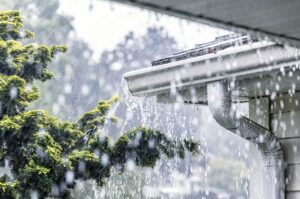 We’ve had some wacky weather here in Texas lately. While tourists might think that we’re just the land of sunshine and hot temperatures, that’s really not always the case. We get flash floods as often as everyone else, and sometimes our arid landscapes can have trouble absorbing the moisture from just a small amount of rain. Our homes aren’t necessarily built to handle that much rain or flooding, and when your basement finally floods, it can feel like a punch in the gut.
 Finding the optimal temperature for a home is a lot like finding a leprechaun. Sure, you’ve probably heard that it exists, but no matter what you do or how hard you look it seems like you just can’t find it. It seems like every single person has different advice to tell you about their home temperature. Some people “never turn the thermostat lower than 68” while others “never turn it higher than 60.” Isn’t it frustrating?
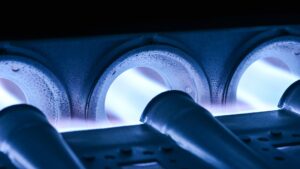 Furnaces require maintenance just like any other heating system, but when you’ve got a gas furnace, there’s one additional aspect you need to consider. Safety is always the first priority, but it’s something you’re going to want to remember each year when you go to turn on your system for the first time, or start investigating a problem.